The Struggle Is Real
Working out under the summer sun without the right gear isn’t just uncomfortable — it can genuinely put your health at risk. I found this out the hard way, and I don’t want anyone else to learn it the same way I did.
I workout regularly, and I always thought a cap was optional — something to wear if I felt like it, not something I actually needed. That changed completely after one afternoon walk/workout session that I still think about.
By the end of this post, you’ll know exactly which caps actually help during summer workouts, why they matter more than most people realize, and the heat-safety habits that go along with wearing one — all based on something that really happened to me.
Quick Answer: Best Caps for Summer Workout
If you’re short on time, here’s what actually matters when picking a cap for summer training:
- Breathable, lightweight fabric — cotton or moisture-wicking blends that don’t trap heat
- A wide enough brim — enough to shade your face and eyes, not just the top of your head
- A sweatband or absorbent inner lining — keeps sweat from dripping into your eyes and off your forehead
- Light colors — darker caps absorb more heat under direct sun
The Afternoon That Changed My Mind
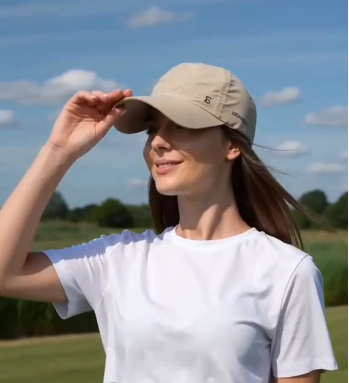
One afternoon, I decided to go for a workout/walk without a cap — it genuinely didn’t cross my mind that I’d need one. It was the middle of the day, and the sun was directly overhead. Within minutes, I could feel the heat hitting the top of my head and beating straight onto my face. I couldn’t focus on my workout at all; I kept trying to shield my eyes with my hand instead of actually training.
On top of that, I was sweating heavily, and without a cap, my hair kept sticking to my forehead — wet strands falling into my eyes made it even harder to see or concentrate. Then, to make things worse, I realized my water bottle was empty. Between the direct sun, the heavy sweating, and running out of water, I genuinely started to feel unwell and had to cut my session short.
Standing there, overheated and out of water, all I could think was: if I’d had a cap, I could have kept my hair back, kept the sun off my face, and probably finished my workout without any of this. That day I made a personal rule — I never go for an outdoor workout without a cap again, no matter how short the session is.
Why This Isn’t Just About Comfort
What I experienced that day were early warning signs of something more serious. According to the Cleveland Clinic, heat exhaustion happens when your body loses too much water and salt through sweat, and common symptoms include heavy sweating, headache, dizziness, and a fast heart rate. The CDC also notes that people who exercise in hot weather are more likely to become dehydrated, and recommends limiting outdoor activity during the hottest part of the day, wearing sunscreen, and drinking more water than usual instead of waiting until you feel thirsty.
Looking back, I wasn’t just uncomfortable that day — I was showing early signs of heat-related stress, and a simple cap combined with better hydration habits could have prevented most of it.
The Core Habits: Choosing and Using a Summer Workout Cap
1. Pick the Right Fabric
Why it works: Heavy or non-breathable fabric traps heat against your scalp, making you feel hotter faster. Lightweight, breathable materials let air circulate and help sweat evaporate instead of pooling under the cap.
How to apply it in 2 minutes: Before buying, check the fabric label — look for cotton blends or moisture-wicking materials over thick synthetic ones. If you already own a cap, feel the inside; if it feels stiff or non-breathable, save it for cooler days instead of summer workouts.
2. Don’t Underestimate Brim Width
Why it works: A narrow brim barely shades your eyes, let alone your face. On the day I overheated, the direct sun on my face was one of the biggest problems — a wider brim would have blocked a meaningful amount of that direct exposure.
How to apply it in 2 minutes: Try the cap on and check how much shadow it casts on your face when you tilt your head down slightly. If your forehead and eyes are still in direct light, size up to a wider-brim style.
For more on styling one cap for multiple gym looks, check out our post on 5 ways to style one casual cap for different gym outfits.
3. Sweatband Lining Matters More Than You Think
Why it works: Once sweat starts dripping into your eyes, it’s nearly impossible to focus on your workout. A cap with a built-in sweatband absorbs moisture at the source instead of letting it run down your face.
How to apply it in 2 minutes: Run your finger along the inside band of the cap — a slightly padded or towel-like texture usually means better sweat absorption than a plain, thin lining.
4. Combine the Cap With Real Heat Safety Habits
Why it works: A cap alone isn’t a complete solution. The CDC’s heat safety guidance recommends applying sunscreen, wearing light-colored and loose clothing, scheduling outdoor workouts earlier or later in the day, and drinking water consistently rather than waiting until you’re thirsty.
How to apply it in 2 minutes: Before your next outdoor summer session, do a 30-second checklist: cap on, sunscreen applied, water bottle full, and workout scheduled outside the 10 AM–3 PM peak heat window if possible.
I follow this checklist every single time now. It takes less than a minute and it’s the exact routine I wish I’d had before that overheated afternoon.
Where the Right Cap Comes In
A good summer workout cap isn’t just an accessory — after my own experience, I see it as a basic piece of safety gear, right up there with a water bottle. This is exactly the standard we hold ourselves to at Stressful Style Shop. Our caps are designed with breathable fabric and a fit that stays comfortable through long, sweaty sessions, so you’re not choosing between staying cool and staying protected. If you train outdoors during summer, this is the kind of cap that should already be in your gym bag. Check out our summer-ready caps here.
The Verdict
A cap might seem like a small detail, but during a hot summer workout, it can be the difference between a session you push through comfortably and one you have to cut short — or worse, one that turns into a real heat-related health issue. I learned this from one uncomfortable, slightly scary afternoon, and it’s a mistake I don’t plan on repeating.
Have you ever pushed through an outdoor workout without proper sun protection? Drop a comment below and let me know what happened — and what you’d do differently next time.
About the Author