Doujen Moe Meaning: Origins, Culture, and Modern Usage
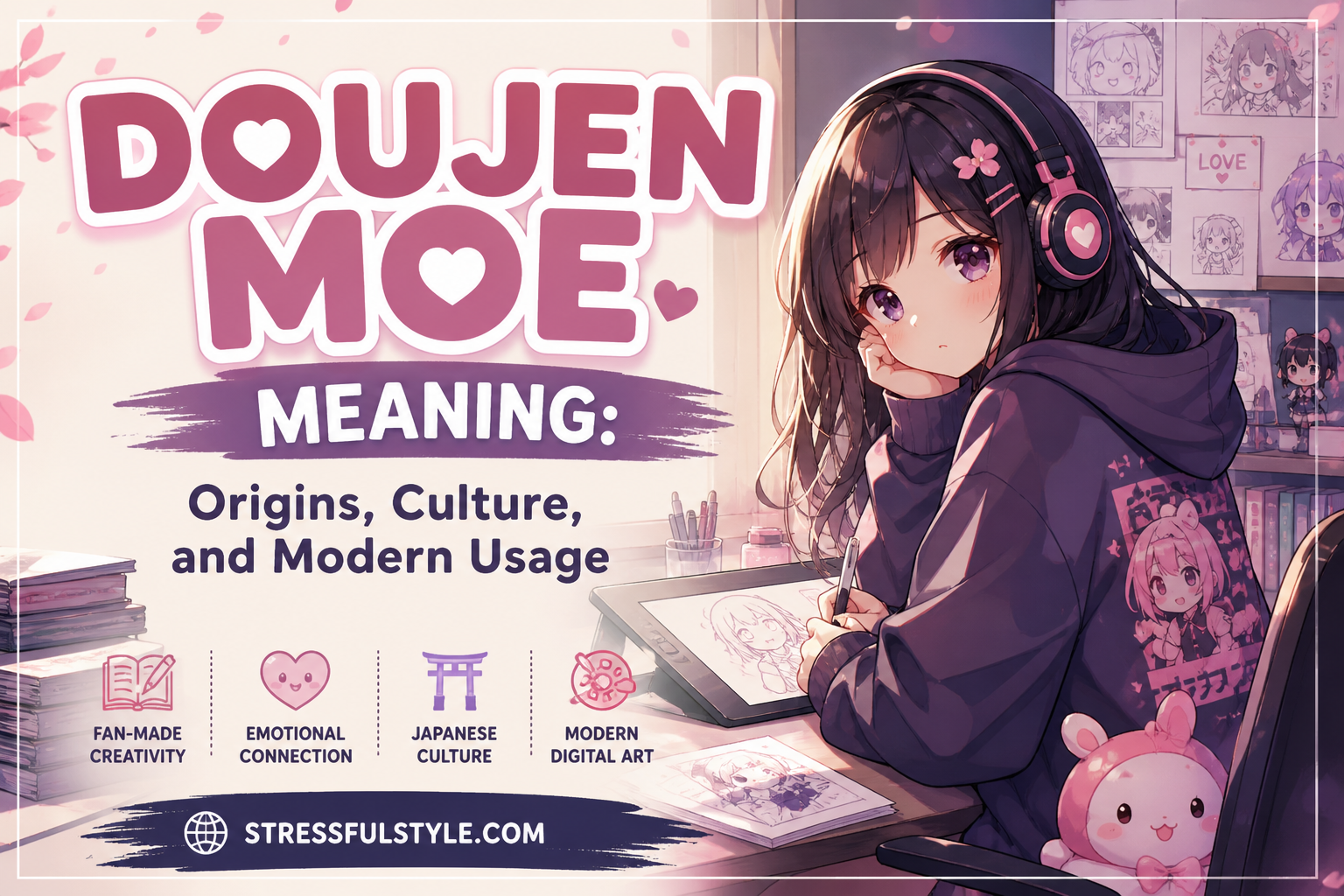
Doujin moe is a fascinating aspect of Japanese internet culture, mixing amateur creativity with tear-jerking narratives. It originated from “doujin,” a self-published work by independent artists and writers, and “moe,” a strong sense of affection towards fictional characters. This mix has developed into a worldwide fan craze that influences art, fiction and even online communities. In today’s article, let’s discover what it means, where it came from culturally, what psychology informs its platforms, and why it is on the rise in today’s digital age.
Understanding the Rise of Doujen Moe in Digital Culture
Doujen moe is growing because the internet has changed how fans create and share content. Today, artists can reach a global audience, helping niche ideas like this gain popularity.
Online communities also play a key role, letting fans connect, share ideas, and collaborate. At the same time, “moe” creates a strong emotional bond with characters, which drives even more fan-made content—fueling its rapid rise worldwide.
What Does Doujen Moe Mean?
Doujen moe combines two key ideas from Japanese pop culture. “Doujin” refers to fan-made, self-published works like manga or novels, where creators freely explore stories outside mainstream limits. “Moe,” on the other hand, describes the strong sense of affection people feel toward certain fictional characters.
Together, doujen moe represents that emotional connection within fan-created content—where creativity and passion come together to create stories that truly resonate with audiences.
Breaking Down “Doujen” (Doujin) and “Moe” Separately
“Doujen” refers to self-published, fan-made works like comics or novels, rooted in Japan’s doujinshi culture where creators share ideas freely without traditional limits. “Moe,” on the other hand, describes the strong emotional attachment people feel toward characters—especially those seen as cute, innocent, or charming.
When combined, doujen moe becomes a space where creators express their love for characters through personal, creative storytelling. This mix of freedom and emotional depth helps fan content connect strongly with audiences around the world.
The Origins of Doujen Moe and Its Cultural Roots in Japan
Doujen moe has its roots in Japan’s long tradition of art and storytelling. It comes from “doujin,” meaning fan-made, self-published works—a practice that goes back as far as the Edo period when amateur artists created their own illustrations. “Moe” adds the emotional side, describing the affection people feel toward certain characters.
Over time, these ideas merged into a unique subculture that celebrates both creativity and emotional connection. It grew especially strong after World War II through doujinshi events like Comiket, where creators shared their work. As anime spread worldwide, doujen moe also gained popularity, giving fans a way to express their own interpretations and connect with others.
The Role of Doujinshi Culture and Comiket
Doujinshi culture is a lively part of Japanese fandom, especially in manga and anime. It gives creators the freedom to publish their own stories or reimagine existing ones without limits.
A major part of this scene is Comiket, one of the world’s largest comic conventions held in Tokyo. It brings together thousands of artists who sell their work directly to fans, creating a strong sense of community and collaboration.
This creative, fan-driven environment fuels inspiration and connection, making doujinshi—and in turn doujen moe—grow through shared passion and artistic freedom.
How Moe Aesthetics Entered Fan Publishing
Moe aesthetics gradually became an important part of fan publishing, shaping how artists express emotion and style. This approach focuses on cuteness and strong emotional appeal, which connects deeply with fans.
As doujin creators explored moe themes, their characters often became more expressive and visually distinctive, making their work more engaging and emotionally rich. Events like Comiket helped artists share these creations, not just to sell them, but to connect with other fans and creators.
Later, online platforms made this movement even bigger by removing barriers and allowing artists to reach global audiences directly. This growth helped establish moe as a key influence in fan art and storytelling.
Christa Podsedly: Biography, Age, Family, and Untold Facts
Lesbufy Explained: Features, Benefits & How It Works
Who Is Shani Levni? Full Biography, Life Story & Unknown Facts
Seek to Find Thrift Store: How to Find the Best Deals Near You
The Truth About Mebalovo You Should Know
Key Characteristics of Doujen Moe Content and Style
Doujen moe content is known for its bright colors and highly expressive art style. Artists often use a cute, exaggerated look with big eyes and emotional facial expressions, set in imaginative, playful worlds that quickly attract fans.
Storytelling usually stays light and engaging, focusing on themes like friendship, love, and adventure. This makes the content easy to enjoy and emotionally welcoming.
Characters are also a key part of the style, often based on familiar archetypes like the shy girl or the brave hero, each with unique traits that fans can relate to. At the same time, the culture is very community-driven, with fans not only enjoying the work but also creating their own art and stories to share.
The Psychology Behind Doujen Moe and Emotional Attachment
Doujen moe connects strongly with human emotions, going beyond just characters on a page. Fans often form deep emotional bonds with these fictional creations, as their charm can trigger feelings of nostalgia, comfort, and even a sense of companionship.
The cute and innocent style of moe art makes these emotions even stronger, giving fans a safe space to express and explore their feelings. Many people project their thoughts and emotions onto these characters, creating a personal sense of connection.
At the same time, community interaction adds another layer, as sharing fan-made content helps build friendships and a sense of belonging. Overall, doujen moe becomes both an emotional escape and a shared creative experience for fans.
Why Doujen Moe Is Growing in 2026
In 2026, doujen moe is becoming more popular as a new generation of fans embraces it. Digital art platforms have made it easier than ever for artists to create and share their work, helping communities grow and stay active.
Nostalgia also plays a big role, as many fans revisit the anime and manga styles they grew up with, now reimagined in fresh ways that appeal to both old and new audiences.
Social media further boosts this trend by spreading artwork quickly and turning it into viral content that inspires more creators. At the same time, growing global interest in Japanese culture has made doujen moe more widely accepted and appreciated worldwide.
Popular Platforms and Places to Find Doujen Moe Content
Doujen moe content can be found on several popular platforms. Sites like Pixiv are filled with fan art and original creations, where artists freely share different interpretations of characters. Social media platforms like Twitter also play a big role, as creators post updates, artwork, and use hashtags to help fans discover new trends.
For physical works, events like Comiket in Japan bring together independent artists who sell their creations directly to fans. Meanwhile, online marketplaces such as Etsy also offer doujen moe-inspired items, including prints and handmade merchandise for fans to enjoy.
Doujen Moe vs Doujinshi: Differences, Legal Issues, and Considerations
Doujen moe and doujinshi are closely related but not exactly the same. Both involve self-published fan works, but they focus on different ideas.
Doujinshi usually refers to fan-made manga or comics, often inspired by existing popular characters and series, where creators express their creativity through familiar worlds.
Doujen moe, on the other hand, focuses more on emotional storytelling and cute, endearing characters, where the main goal is to create a personal emotional connection with the audience rather than just using known franchises.
Legally, both can face copyright concerns, especially when using existing characters. However, doujen moe often leans more toward original ideas and emotional themes, which helps creators avoid many of these issues while still engaging fans.
Servantful: Expert Service Business Solutions That Actually Work
How Studiae Transforms the Way You Learn
How to Use a Blessed Upgrade Scroll
10 Ways to Wear a Blazertje and Look Effortlessly Chic
Mariano Iduba: AI, Digital Inclusion & Social Impact Explained
Future Trends and Final Thoughts on Doujen Moe
Doujen moe is expected to keep growing as it spreads beyond Japan through digital platforms. Artists now have more freedom to create, share, and experiment while keeping its emotional and cute storytelling style alive.
In the future, new technologies like VR and AR may make it even more interactive and immersive. Along with popular sites like Pixiv or DeviantArt, communities on Reddit and Discord also help fans discover creators and connect directly.
At its core, the emotional connection between characters and audiences is what keeps doujen moe strong, making it a constantly evolving and engaging fan culture.
FAQS
What does moe mean in BL?
In BL (Boys’ Love) content, “moe” means a strong feeling of affection or emotional attraction toward characters. It is not about real relationships, but about how cute, kind, or emotionally appealing a character feels. Fans use the word when they feel a soft or loving attachment to certain character traits in BL stories.
What is Dojin?
“Dojin” (more commonly spelled “doujin”) refers to self-published works made by fans or independent creators. These can include manga, novels, or illustrations. Dojin works are often created outside of big publishers, allowing artists to freely share their own stories, ideas, or fan versions of popular characters.
What is the history of moe?
The concept of “moe” became popular in Japan during the 1990s through anime, manga, and gaming culture. It started as a way to describe strong emotional feelings toward fictional characters, especially those seen as cute, innocent, or lovable. Over time, moe became a key part of fan culture and spread globally through anime communities.
What is moe in Japanese?
In Japanese, “moe” describes a deep emotional feeling of affection toward fictional characters. These characters often appear cute, pure, or emotionally appealing. It is not physical attraction, but a warm, emotional connection that fans feel when they like a character’s personality, looks, or behavior.
