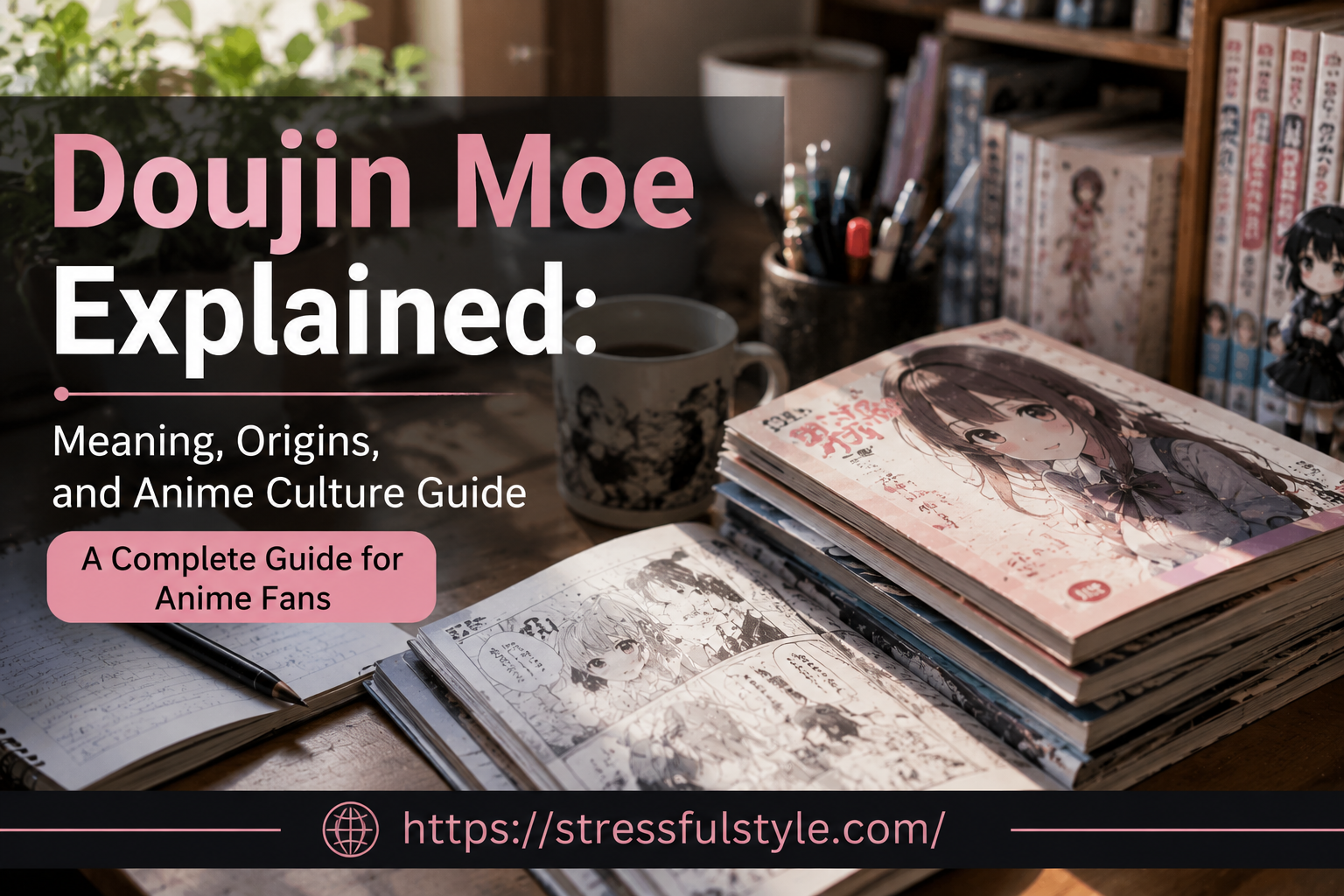
Example of moe-style character art commonly shared on platforms like Pixiv and Pinterest
If you’ve ever scrolled through Pinterest or Instagram and stopped on an anime-style illustration of a wide-eyed, pastel-colored character — even though you’ve never watched a single anime episode — you’ve already encountered doujin moe. You just didn’t have a name for it.
That’s actually how most people outside Japan first run into this art style: not through anime fandom, but through aesthetic social media feeds. This guide breaks down what doujin moe actually means, where it came from, and why it keeps showing up on your feed.
What Is Doujin Moe?
Doujin moe combines two separate ideas from Japanese pop culture.
Doujin (同人) refers to self-published, fan-made work — comics, art, novels — created independently rather than through a publishing house. Anyone can make doujin work; it’s the fan equivalent of self-publishing a book instead of going through a major publisher.
Moe (萌え) describes the feeling of affection toward a character that feels cute, innocent, or endearing — not romantic or sexual attraction, but more like the feeling you get looking at a particularly charming illustration.
Put together, doujin moe refers to fan-made content built around that “moe” feeling — characters designed specifically to be charming and emotionally appealing, created by independent artists rather than official studios.
Why You’ve Seen This Style Even If You Don’t Watch Anime
Here’s the part most explainers skip: doujin moe spread far beyond anime fandom because the art style itself is highly “shareable.”
Big eyes, soft color palettes, and expressive faces translate well to a quick scroll — you don’t need any context about a character’s backstory to find the image appealing. That’s different from, say, a panel from a manga series, which often needs story context to land emotionally.
This is why doujin-moe-style art shows up on:
- Pinterest boards with names like “aesthetic anime art” or “cute anime pfp”
- Instagram accounts that repost fan art without crediting the original doujin artist (a real problem in the community — more on that below)
- TikTok edits set to music, often stripped completely of their original doujin context
If you’ve saved one of these images without knowing where it came from, you’ve experienced exactly how doujin moe spreads today — through aesthetics first, fandom context second.
Where Doujin Moe Actually Comes From
The “doujin” half of the term has deep roots in Japan. Self-published fan work existed informally for decades, but it became a structured movement after World War II, when independent artists began organizing their own conventions to share and sell work directly to readers — bypassing publishers entirely.
The largest of these events today is Comiket (short for Comic Market), held twice a year in Tokyo. It’s genuinely massive — hundreds of thousands of attendees over a few days, with thousands of independent creators selling self-published manga, art books, and merchandise directly from tables, similar to a comic convention but almost entirely artist-run rather than publisher-run.
“Moe” entered the picture later, becoming a defined concept in anime and gaming culture during the 1990s, as character designs increasingly leaned into cuteness and emotional appeal as a selling point in their own right — not just a side effect of a good story.
When doujin creators started applying moe-style character design to their independently published work, doujin moe became its own recognizable aesthetic within fan culture.
Doujin Moe vs. Doujinshi: What’s the Difference?
These terms get mixed up constantly, so here’s the practical distinction:
Doujinshi is the broader term for any fan-made, self-published comic or manga — it covers everything from serious dramatic stories to comedy to romance, regardless of art style.
Doujin moe is more specific. It describes doujin work that leans specifically into the cute, emotionally-charming “moe” aesthetic and tone, rather than other doujinshi styles (which can be gritty, dramatic, parody-based, or visually nothing like the typical “moe” look).
Think of doujinshi as the category (self-published fan comics) and doujin moe as a style within that category, the way “romance novel” is a category and “slow-burn romance” is a more specific flavor within it.
The Legal Side (Worth Knowing If You’re Curious About This Space)
Doujin work — including doujin moe — exists in a legally gray area, especially when it’s based on existing copyrighted characters from anime, manga, or games.
In Japan, there’s a long-standing informal tolerance: rights holders generally don’t pursue doujin creators as long as the work doesn’t seriously compete commercially with the original or damage the franchise’s reputation. Comiket itself operates within this understanding, and many original creators are aware their characters appear in doujin work without taking action.
This tolerance doesn’t automatically extend the same way outside Japan, where copyright enforcement norms differ by country. Doujin moe work built around completely original characters (not based on an existing franchise) avoids this gray area entirely, which is one reason original-character doujin moe has grown alongside the franchise-based kind.
Where People Actually Find Doujin Moe Content
If this style has caught your interest, here’s where it actually lives — not just where it gets reposted:
- Pixiv is the primary platform, especially for Japanese-language doujin artists. It functions like a portfolio site crossed with social media, and it’s where most original doujin moe work is posted first.
- Comiket and smaller doujin conventions remain the place for physical, printed work — many artists still prioritize convention sales over online posting.
- Reddit communities (r/anime, art-specific subreddits) and Discord servers are where international fans discuss and discover doujin creators, often translating or contextualizing work for non-Japanese-speaking audiences.
- Etsy and similar marketplaces carry doujin-moe-inspired prints and merchandise, though it’s worth knowing some of these are fan-made tributes rather than official or original-creator products.
A practical note: if you find doujin moe art you like on Pinterest or Instagram, tracing it back to Pixiv or the original artist (often possible with a reverse image search) is the better way to support the actual creator, since social media reposts frequently strip away attribution.
Final Thoughts
Doujin moe sits at an interesting intersection — a niche born from Japan’s independent publishing culture that now spreads globally through platforms that have nothing to do with its origins. Most people who enjoy the aesthetic on Pinterest or Instagram never end up tracing it back to Comiket tables or Pixiv portfolios, and that’s fine. But knowing the actual context — fan-made, independently published, built around a specific kind of character charm — makes the next image on your feed a little less mysterious.
If you enjoy discovering how niche internet trends and cultural terms spread online, you’ll find more breakdowns like this one in our Trends section.
FAQs
What does “moe” mean in BL (Boys’ Love) content?
In BL contexts, “moe” carries the same core meaning as elsewhere — a feeling of affection toward a character’s charm or personality — but applied to BL’s romantic dynamics. It describes finding a character (or a pairing’s dynamic) endearing, not a reference to physical or romantic attraction itself.
Is doujinshi illegal in Japan?
Not generally. Japan operates on informal tolerance rather than active enforcement, as long as doujin work doesn’t seriously harm the commercial interests of the original rights holder. This isn’t the same as explicit legal permission, though — it’s closer to an unwritten industry norm.
What’s the actual difference between “doujin” and “moe” as separate words?
“Doujin” describes the publishing method (self-published, independently created). “Moe” describes an emotional quality (charm, cuteness, affection toward a character). They’re unrelated concepts that frequently overlap in fan culture but don’t mean the same thing.
Where did the word “moe” originally come from?
It emerged from anime, manga, and gaming fan culture in Japan during the 1990s, used to describe the specific feeling of affection toward characters designed to be charming or endearing. It spread from niche fan slang into mainstream use within otaku culture over the following decade.
About the Author