underbite
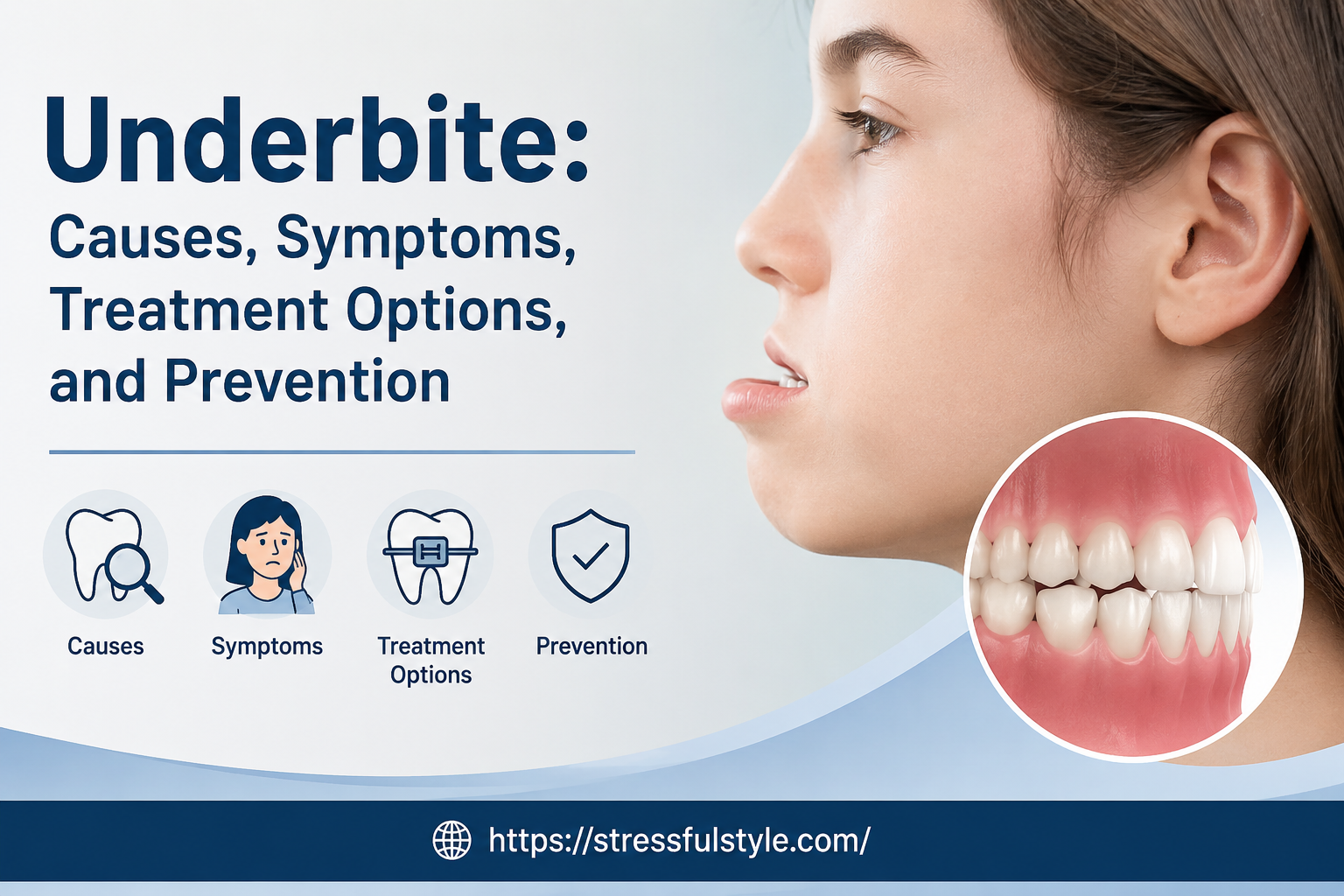
An underbite is a common dental condition where the lower teeth extend beyond the upper teeth, affecting both appearance and oral function. In this article, we will explore everything about underbite, including its causes, symptoms, types, and how it can impact your health. You will also learn about diagnosis methods, effective treatment options, prevention tips, and what happens if it is left untreated. This complete guide is designed to help you understand underbite in a simple way and find the right solution for better dental health.
What Is an Underbite?
An underbite occurs when the lower teeth extend beyond the upper teeth. This misalignment is more than just a cosmetic concern—it can lead to various functional issues as well.
In an ideal bite, the upper teeth should overlap slightly with the lower ones. However, in individuals with an underbite, this alignment is reversed. This condition can vary in severity and may affect speech, chewing, and overall oral comfort.
Underbites typically manifest during childhood but can persist into adulthood if left untreated. They are often categorized based on whether they arise from skeletal discrepancies or dental positioning.
Recognizing an underbite early is essential for effective treatment options down the line. Understanding its nature helps individuals seek appropriate care sooner rather than later.
How Common Are Underbites?
Underbites are more common than many people realize. Research indicates that approximately 5-10% of the population experiences this dental misalignment.
This condition can affect individuals of all ages, though it is often first identified in childhood during routine dental check-ups. Genetics play a significant role; if parents have an underbite, their children may be at greater risk.
Additionally, certain lifestyle factors and habits may contribute to its prevalence. For instance, thumb-sucking or prolonged use of pacifiers in infants can influence jaw development negatively.
While not everyone with an underbite will require treatment, understanding its commonality helps raise awareness about potential risks and solutions. Recognizing these signs early on is crucial for effective intervention later in life.
Symptoms of an Underbite
An underbite can manifest in various ways. One of the most noticeable symptoms is misaligned teeth, where the lower jaw protrudes more than the upper jaw. This can lead to difficulty when chewing or biting.
People with an underbite may also experience discomfort in their jaw muscles. Frequent headaches are common as well due to excessive strain from trying to correct bite alignment subconsciously.
Speech issues might arise too; some individuals find certain sounds tricky to articulate clearly.
Additionally, facial appearance could be affected, leading to a pronounced chin or uneven smile line. Social interactions may become impacted as self-consciousness grows about one’s smile and overall appearance.
If you notice these symptoms, seeking professional advice is essential for evaluation and potential treatment options.
What Causes an Underbite?
An underbite occurs when the lower jaw protrudes beyond the upper jaw. This misalignment can arise from various factors, often beginning in childhood.
Genetics play a significant role. If one or both parents have an underbite, their children may inherit this condition.
Environmental influences also contribute to its development. Prolonged thumb sucking, for instance, can alter jaw positioning over time.
Certain habits like mouth breathing during sleep can affect how teeth and jaws align as well. These behaviors often go unnoticed but leave lasting impacts.
In some cases, dental issues such as missing teeth or improper tooth alignment exacerbate the situation further. The interplay of these elements leads to varying degrees of severity in underbites across individuals.
Childhood Habits That Influence Jaw Development
Childhood habits play a crucial role in the development of jaw structure. Activities like thumb sucking, prolonged bottle feeding, and pacifier use can alter how jaws align as children grow.
Thumb sucking, for instance, can push teeth out of place and lead to an underbite if continued beyond toddler years. Similarly, relying on bottles or pacifiers well into early childhood may cause improper oral posture.
Mouth breathing is another habit that can reshape the jaw over time. It disrupts natural growth patterns and often leads to dental issues down the line.
Encouraging proper oral hygiene and chewing exercises with harder foods might promote healthier jaw development. Monitoring these habits is essential for parents aiming to prevent potential alignment problems later on.
Types of Underbites: Skeletal vs. Dental Issues
Underbites can be classified into two main types: skeletal and dental. Understanding the differences is crucial for effective treatment.
Skeletal underbites arise from jawbone discrepancies. This means that the lower jaw is positioned farther forward than the upper jaw due to genetic factors or growth patterns. These cases often require more complex interventions, such as surgery or orthodontic braces.
On the other hand, dental underbites stem from misalignments of the teeth rather than bone structure. They can occur when teeth grow in an incorrect position, pushing them out of alignment with their counterparts in the opposite jaw. Dental treatments like braces or clear aligners may effectively resolve these issues without surgical intervention.
Recognizing whether an underbite is skeletal or dental significantly influences how it’s treated and what options you have moving forward. Each type presents unique challenges and requires tailored approaches for correction.
how to fix and underbite
Fixing an underbite often requires a multi-faceted approach tailored to individual needs.
Braces are commonly used, especially in children and teenagers. They work by gradually shifting teeth into the correct position, helping align the bite over time.
For more severe cases, surgery may be necessary. This can involve realigning the jaw for better function and aesthetics.
Clear aligners offer a discreet alternative for adults who wish to avoid traditional braces while still addressing their underbite.
In some instances, dental appliances or retainers can assist in correcting minor misalignments as well.
Consultation with an orthodontist is essential to determine the best treatment plan based on severity and personal circumstances. Regular check-ups ensure progress is monitored effectively during treatment.
How an Underbite Can Affect Your Health
An underbite can significantly impact overall health beyond just aesthetics. Misalignment of the jaw may lead to chronic pain, especially in the jaw and neck areas. This discomfort often escalates into tension headaches.
Eating can become a challenge as well. Individuals with an underbite might struggle with chewing food properly, which can affect digestion over time. This difficulty may also encourage unhealthy eating habits or food choices that are easier to manage.
Speech issues are another common concern linked to an underbite. Pronunciation problems can arise, making communication frustrating for some individuals.
Furthermore, sleep quality may suffer due to improper jaw positioning during rest. Obstructive sleep apnea could develop if airway constriction occurs from misaligned jaws.
It’s vital to address these concerns early on through appropriate dental care or orthodontic treatment for better physical and emotional well-being.
Dental Issues Associated With an Underbite
An underbite can lead to several dental issues that go beyond just appearance. Misalignment of the teeth often results in uneven wear and tear. This can cause sensitivity or pain due to exposed nerves.
Gum disease is another concern. When teeth overlap, it makes proper cleaning difficult, allowing plaque buildup that leads to gingivitis or periodontitis.
Moreover, chewing becomes a challenge. An underbite affects your bite force and can make it hard to eat certain foods comfortably.
This misalignment may also contribute to temporomandibular joint (TMJ) disorders. The stress on jaw joints increases tension and discomfort over time.
Regular dental checkups are essential for those with an underbite. Early intervention can help minimize these complications while maintaining overall oral health.
How Is an Underbite Diagnosed?
Diagnosing an underbite typically begins with a dental examination. Your dentist will assess your bite and jaw alignment during this appointment.
X-rays may be taken to provide a clearer view of the bone structure and teeth position. This imaging helps identify whether the issue is skeletal or dental in nature.
In some cases, orthodontists might conduct additional assessments using 3D imaging technology. These advanced tools allow for precise measurements and can help create a tailored treatment plan.
Patient history also plays a vital role in diagnosis. Discussing any childhood habits like thumb-sucking or prolonged pacifier use can offer insights into contributing factors.
Diagnosing an underbite involves thorough evaluations to ensure appropriate recommendations for treatment moving forward.
how to fix underbite
Correcting an underbite often requires professional intervention. The first step is consulting an orthodontist who can assess the severity of the condition.
Braces are a common solution for many. They help realign teeth over time, but this approach may take years to achieve desired results.
For more significant skeletal issues, surgery might be necessary. Jaw repositioning procedures can create a balanced bite and improve facial aesthetics.
In some cases, clear aligners offer a less visible option for treatment. They work similarly to braces but with added convenience.
Retainers may also play a role post-treatment to maintain alignment and prevent regression. Regular follow-ups with your dental provider will ensure optimal progress throughout your journey toward correction.
Top Underbite Treatment Options
When it comes to treating an underbite, several options can help restore proper alignment.
Braces are a common choice for both children and adults. They gradually shift teeth into the correct position over time. For some, this method may be combined with other treatments.
Surgical intervention is another option, especially in severe cases involving skeletal discrepancies. Jaw surgery can realign the jaw bones for improved function and aesthetics.
For milder issues, clear aligners offer a less noticeable alternative to traditional braces. These removable trays gently move teeth without drawing attention.
In specific situations, dental appliances like expanders or retainers may also play a role in treatment plans by addressing underlying issues contributing to the underbite.
Your dentist will tailor recommendations based on individual needs and severity of the condition.
At What Age Should You Fix an Underbite?
When considering the timing for underbite correction, age plays a crucial role. Most orthodontists recommend addressing this issue during childhood or early adolescence. By the time children reach around 7 to 10 years old, their jaws are still developing.
Early intervention can lead to more effective treatment outcomes. At this stage, teeth and jaw alignment issues can be identified and managed before they become more complex.
For some patients, waiting until all permanent teeth have erupted is advisable. This usually occurs between ages 12 and 14. Treatment at this age may involve braces or other orthodontic appliances.
However, adults also seek correction for underbites with various options available such as surgical procedures or clear aligners. Each case is unique; therefore consulting with an orthodontist will provide tailored advice based on individual circumstances and developmental stages.
overbite vs underbite: What’s the Difference?
When discussing dental alignment, two common terms arise: overbite and underbite. Though they relate to the positioning of teeth, each condition presents unique characteristics.
An overbite occurs when the upper front teeth extend significantly beyond the lower teeth. This can create a pronounced appearance and potentially lead to biting or chewing issues. People with severe overbites may experience discomfort due to jaw strain.
In contrast, an underbite happens when the lower teeth protrude past the upper front teeth. This misalignment can affect speech and contribute to uneven wear on tooth surfaces.
Both conditions have aesthetic implications too, influencing facial symmetry and confidence levels in individuals affected by them. Understanding these differences is essential for anyone considering treatment options or seeking advice from dental professionals regarding their oral health.
What Happens If You Don’t Fix an Underbite?
Ignoring an underbite can lead to various complications over time. One significant concern is the impact on oral health. Misaligned teeth may create uneven wear, increasing the risk of cavities and gum disease.
Daily activities like chewing and speaking can become challenging. Pain in the jaw or headaches might arise from the excessive strain placed on your muscles and joints.
Additionally, an underbite can affect self-esteem. Many individuals feel conscious about their smile, which could lead to social anxiety or withdrawal in certain situations.
Long-term neglect may also result in more complex treatments down the line. Surgical options could become necessary if dental issues worsen, making early intervention essential for a healthier outcome.
For pet lovers, dogs with an underbite face similar challenges. Their quality of life depends on proper care and attention to their unique needs as well.
underbite vs overbite
Underbites and overbites represent two distinct types of malocclusion, affecting how the upper and lower teeth align. An underbite occurs when the lower jaw protrudes beyond the upper jaw, creating a unique dental structure.
In contrast, an overbite happens when the upper teeth significantly overlap the lower ones. This can result in a more pronounced aesthetic difference between smiles.
Both conditions can lead to various issues like discomfort or difficulty chewing. The severity may vary widely from person to person. Some individuals may experience minor misalignments while others face more serious challenges that necessitate treatment.
Understanding these differences is essential for making informed decisions about dental health. Each condition requires tailored approaches for correction depending on individual needs and circumstances.
Benefits of Underbite Treatment
Treating an underbite can significantly enhance one’s quality of life. Improved oral function is often the most immediate benefit. Chewing and biting become easier, making mealtime more enjoyable.
Aesthetically, correcting an underbite can boost self-confidence. Many people feel better about their appearance after treatment, leading to a more positive self-image.
Additionally, addressing this dental issue may prevent future health complications. Misaligned jaws can cause jaw pain or headaches; proper alignment reduces these risks.
Improved speech is another advantage of treatment. Some individuals find that their speech clarity enhances after correcting an underbite.
Regular dental hygiene becomes simpler with correct alignment. With teeth in optimal positions, brushing and flossing are far less challenging—promoting overall oral health for years to come.
How to Prevent an Underbite
Preventing an underbite begins in childhood. Early dental visits are essential for monitoring jaw development. Regular check-ups can catch potential issues before they become significant problems.
Encouraging healthy oral habits is also crucial. Teach children the importance of proper chewing and avoiding prolonged thumb-sucking or pacifier use beyond infancy. These habits play a vital role in how jaws align as they grow.
Diet matters too; soft foods may lead to weaker jaw muscles over time. Incorporating crunchy fruits and vegetables helps strengthen those muscles, promoting better alignment.
Educate parents about their own dental health. Genetic factors often influence bite alignment; understanding family history can aid early detection and intervention strategies for future generations.
Living With an Underbite: Care Tips and Questions to Ask Your Doctor
Living with an underbite can be challenging, but there are ways to manage it effectively. Maintaining good oral hygiene is crucial. Regular brushing and flossing help prevent dental issues that may arise due to misaligned teeth.
When visiting your doctor or orthodontist, prepare a list of questions. Ask about the best treatment options available for your specific case. Inquire about potential impacts on speech or eating habits.
Consider discussing any discomfort you experience while chewing or speaking. Understanding these symptoms can provide valuable insights into the severity of your condition.
Additionally, ask about lifestyle changes that might support better jaw health. Your doctor might recommend exercises designed to strengthen jaw muscles and improve alignment over time.
Stay informed about advances in treatments as well—new methods frequently emerge that could enhance outcomes for patients with underbites.
What Is the Outlook for People With an Underbite?
Living with an underbite can vary significantly from person to person. For many, it’s merely a cosmetic concern that doesn’t interfere with daily life. However, some may experience more serious implications affecting their health.
Individuals with untreated underbites might face chewing difficulties or jaw pain over time. These issues can lead to discomfort and even impact speech development in children.
The good news is that modern orthodontics offers effective solutions for correction at various ages. With proper treatment, most people see significant improvements not just in functionality but also in confidence.
Regular dental check-ups are essential for monitoring any changes and determining the right time for intervention. Staying proactive about oral health helps ensure the best possible outcome when managing an underbite.
Moreover, those who embrace their unique smile often find community support among others facing similar challenges, reinforcing positivity around self-image.
Key Takeaways About Underbite
An underbite occurs when the lower jaw protrudes beyond the upper jaw. This misalignment can impact both appearance and functionality.
Understanding its causes, such as genetics or childhood habits, is essential for prevention. Early intervention can often lead to better outcomes.
Symptoms may include difficulty chewing or speaking, along with noticeable dental wear. It’s crucial to be aware of these signs for timely treatment.
Treatment options range from orthodontics to surgery depending on severity. Each case is unique, requiring personalized care plans tailored by dental professionals.
Awareness of potential health impacts linked to an untreated underbite cannot be overlooked. It’s more than just a cosmetic concern; it can affect overall well-being too.
For pet owners, certain dog breeds like Shih Tzus often exhibit cute underbites that require special consideration for their dental health. Regular vet check-ups ensure they thrive despite this condition.
Shih Tzu Cute Underbite
The Shih Tzu is a small and adorable dog breed known for its sweet face and friendly nature. One special feature of this breed is a cute underbite, where the lower teeth slightly sit in front of the upper teeth.
This gives the Shih Tzu a unique and charming expression that many people find very lovable. In most cases, this underbite is natural and does not cause serious health issues. With proper care, regular grooming, and vet checkups, Shih Tzus can live a healthy and happy life as loving family pets.
dogs with a underbite
Many dog breeds are known for their adorable underbites, making them even more endearing to pet lovers. Breeds like the Shih Tzu often showcase this charming feature, with their cute and distinctive facial structure. However, just like humans, dogs can also face challenges related to an underbite.
An underbite in dogs occurs when the lower jaw protrudes past the upper jaw. This misalignment can lead to various dental issues and discomfort over time if not properly managed. It’s essential for pet owners to monitor their dog’s oral health closely. Regular vet check-ups will help identify any potential problems early on.
When caring for a dog with an underbite, special attention should be given during feeding and playtime. Certain toys or foods might pose risks of injury or may exacerbate existing dental conditions. Providing soft food or specially designed chew toys can help alleviate stress on your furry friend’s teeth.
If you notice signs of discomfort in your canine companion—like difficulty eating or excessive drooling—it’s crucial to consult your veterinarian promptly. They could recommend treatments ranging from dental cleanings to orthodontic procedures tailored specifically for pets.
Understanding how an underbite affects both humans and animals is vital for proper care and treatment options available today. Whether it’s managing human cases through braces or surgery—or simply loving our four-legged friends despite their adorable quirks—awareness leads us toward better solutions that enhance quality of life.
People also ask about underbite
Can an underbite be fixed?
Yes, an underbite can be fixed with braces, aligners, dental devices, or surgery. Early treatment in children often gives the best results.
Is having an underbite a problem?
Yes, an underbite can cause chewing, speaking, and jaw problems. Severe cases may also affect teeth and confidence.
What is the main cause of underbite?
The main cause of an underbite is genetics. Childhood habits like thumb sucking can also affect jaw growth.
Can I fix underbite naturally?
No, a true underbite usually needs professional treatment. Braces or surgery are often the best solutions.
About the Author