Introduction
Back Casting Room is a strategic planning method used in which one creates an ideal future then looks back to figure out the steps they need take to get there. Back casting is where a team spends time doing this planning and, again, the idea of what many call backcasting rooms is catching on in all sorts of industries from useful environmental sustainability to corporate strategy. Article discussing what is a back casting room, applications and advantages of the same.
Understanding Back Casting
Back casting is to forecasting, as which forecasts for the future based on current trends; whereas back casting begins with a vision of success and works backwards. This is especially useful when it comes to tough issues that need transformation.
The Back Casting Room
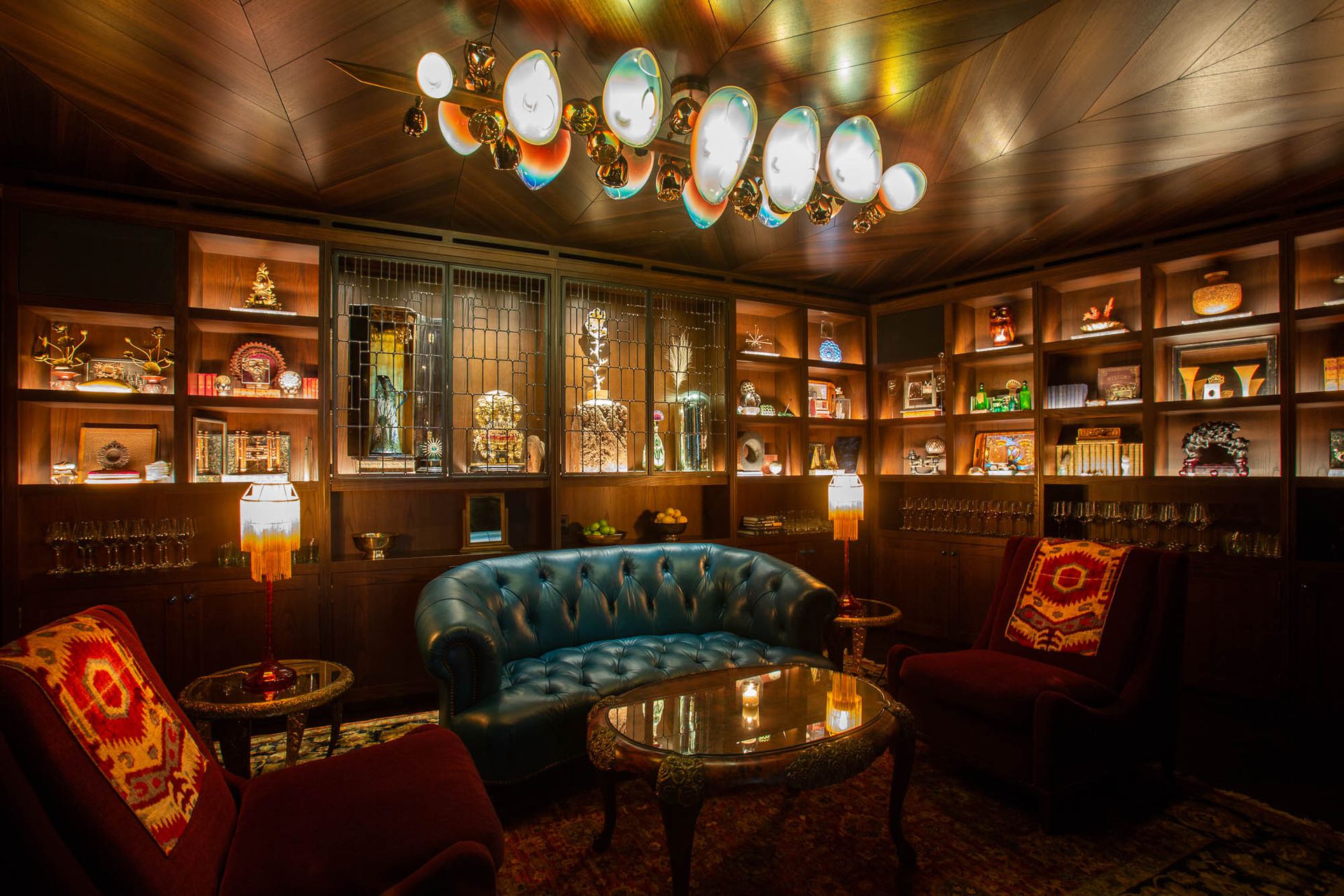
Back casting room: A back cast room refers to a specialized area created specifically for performing the task of back-casting. It typically includes:
Visual Aids: Whiteboards, projectors and other tools to visualize the future state of things while identifying what needs to happen in order for that transition
Collaboration Tools: These are software and other tools that allow teams to work together, brainstorm or share notes/documents online.
In a place that makes you feel comfortable enough to be thinking free and willing, no pressure treated space.
Applications of Back Casting Rooms
Environmental Planning: also called back casting, which is a means of goal-driven planning that defines the scenario ensuring sustainability; e.g. identifying steps necessary to achieve carbon neutrality or zero waste.
Corporate strategy: Back casting is used within corporations to set long-term goals of the company and direction, formed under future market conditions.
Urban Development: Back casting is used in urban studies by cities and municipalities to determine future potential planning areas for sustainable growth patterns that encourage economic development, neighborhood social relations, land continuity & property values as well the overall sustainability of a community now and into the future.
Benefits of Back Casting Rooms
Things to keep in mind: Back casting gives teams clarity on the future state.
Encourages out-of-the-box thinking: Back casting encourages innovative solutions through a reverse-engineering approach, and it allows you to build creative ideas.
Strategic Alignment: By using back casting, you would make sure short-term actions are aligned to long- term objectives can help improve overall strategy coherence.
Collaborative Culture: Back casting is a collaborative process that involves bringing people with different perspectives together to address the problem.
A Back Casting Room is a strategic method of working backward from futures, both desirable and undesirable. In contrast to forecasting, which predicts future events based on present trends, backcasting begins with a view of a desired outcome and works backward through the steps needed to realize that vision.
Utilizing this approach is especially useful when it comes to strategy and sustainability, inspiring innovation as well helping identify the proactive measures needed. Imagining alternative futures and considering what a future would be if you took certain paths helps organizations to prepare for uncertainty as well as allow more informed choices that align with the goals of organization, long-term and ethical.
In this way, the Back Casting Room becomes a playground for imagining and strategizing paths that lead to meaningful sustainable futures.
Challenges
Resource Intensive: The setup and maintenance of a back casting room can be resource-intensive, necessitating investment in both physical space and collaboration tools.
Get Everyone On Board: All stakeholders must be on the same page about back casting. This is a heavy lift that might prove harder than expected
Time-consuming: Back casting is a complex process and can take time if not facilitated properly.
Conclusion
And back casting rooms are an incredibly useful strategic planning tool, guiding visions of the desirable future into how to move there. They require a big investment and buy-in but clear vision, practical innovation and improved collaboration make them invaluable tools for addressing complex challenges over the long term. The back casting room is likely to be a concept that becomes more common as an understanding of its value in decision-making develops across organizations.
About the Author