wings chicken calories
Introduction to Wings Chicken Calories
Wings chicken calories have become a staple in kitchens and sports bars alike, tantalizing taste buds with their savory flavors and crispy textures. Whether you’re munching on them during game night or whipping up a batch for your next gathering, these bite-sized delights are hard to resist. But as delicious as they are, many of us wonder: how many calories are really packed into those juicy morsels?
Understanding the calorie count of chicken wings is essential for anyone tracking their diet or simply curious about what they’re consuming. From classic buffalo to tangy barbecue sauces, each preparation method can significantly impact nutritional values. Let’s dive deep into the world of chicken wing calories – you might be surprised by what you find!
Chicken Wings Calories: Basic Overview
Chicken wings are a popular choice for many, often shrouded in flavor and fun. When it comes to calories, understanding the basics can help you make informed choices.
On average, a single chicken wing contains roughly 43 calories. This number can vary based on preparation methods and any added ingredients.
The calorie count typically increases with sauces or marinades that enhance the taste but also add extra sugars or fats. So, it’s essential to consider what’s accompanying your wings.
Whether baked, fried, or grilled influences their caloric content significantly too. Each method brings its unique characteristics to the table beyond just flavor.
Knowing how these factors play into chicken wing calories empowers you when planning meals or indulging during game day festivities.
Chicken Wings: 43 Calories
When you think about chicken wings, the first thing that comes to mind might not be their calorie count. Yet, knowing that a single wing contains approximately 43 calories can help inform your meal choices.
These calories primarily come from protein and fat, giving chicken wings their satisfying taste. For those watching their intake, this number is relatively modest compared to other popular snacks or appetizers.
However, it’s essential to consider how many wings you typically eat in one sitting. Those numbers can add up quickly!
Understanding this helps balance enjoyment with dietary goals. If you’re dining out or hosting a gathering, being aware of these figures allows for smarter decisions regarding portion sizes and sauces used later on.
Chicken Wing Calories
When you think about chicken wings, it’s easy to overlook the calorie count per piece. Each wing isn’t just a tasty treat; it carries its own nutritional value.
A standard cooked chicken wing with skin typically contains around 43 calories. This number can fluctuate based on cooking method and preparation style.
The meatier parts, like the drumette, often pack more calories compared to flat wings due to their larger size. On average, a traditional serving of two pieces can total approximately 86 calories.
For those watching their intake, understanding this breakdown is essential. Knowing how many wings you consume helps maintain balance in your diet without sacrificing flavor or enjoyment during game day or family gatherings.
Calories in Chicken Wings
When diving into the calories in chicken wings, it’s essential to understand their nutritional profile. A single cooked wing typically contains around 43 calories. However, this number can fluctuate based on cooking methods and added ingredients.
Chicken wings are primarily composed of protein and fat. Each piece delivers about 6 grams of protein, making them a great source for muscle repair and growth. On the flip side, they also contain approximately 3 grams of fat per wing.
If you’re mindful of sodium intake, keep an eye out; many sauces elevate salt levels significantly. The absence or presence of skin plays a crucial role too—wings with skin have higher calorie counts compared to skinless options.
For those tracking macronutrients closely, knowing these details helps maintain balance while enjoying your favorite snack without surprise guilt later on.
Nutritional Overview of 10 Chicken Wings
When you munch on ten chicken wings, you’re treating yourself to a flavor-packed experience. But what about the nutrition?
A typical serving of 10 wings usually contains around 430 calories. This can vary, depending on how they’re cooked and seasoned. A key factor is whether you opt for crispy skin or go skinless.
Protein lovers will appreciate that this serving packs approximately 45 grams of protein, making it an excellent choice for muscle repair and growth. However, watch out for the fat content; it can range from 25 to over 30 grams based on cooking methods.
Don’t forget sodium levels too! Ten wings may contain anywhere from 1,000 to more than 2,000 milligrams of sodium if heavily seasoned or tossed in sauce. Balancing these aspects helps create a tasty yet mindful meal option when you indulge in chicken wings.
Chicken Wings With Skin vs Without Skin
When it comes to chicken wings, the skin is a defining feature. It adds flavor and a satisfying crunch that many people love. However, it’s also where most of the fat and calories reside.
Chicken wings with skin typically contain more calories than their naked counterparts. For instance, one crispy wing can hold around 43 calories primarily from fat content. Removing the skin cuts down on both caloric intake and saturated fats significantly.
On the flip side, wings without skin offer lean protein that’s perfect for those looking to maintain or lose weight while still enjoying this popular dish. They provide essential nutrients like B vitamins but come in lighter on calorie counts.
Choosing between skin-on or skinless depends largely on your dietary goals and taste preferences. Whether you want that rich flavor or are focused on lower-calorie options, each has its appeal in the world of chicken wings.
Chicken Wing Calories vs Other Chicken Cuts
When comparing chicken wing calories to other cuts, wings often stand out for their flavor and texture. Typically, a serving of chicken wings has around 43 calories per piece. This makes them a popular choice for those looking to indulge without going overboard.
In contrast, skinless chicken breast is leaner and boasts about 31 calories per ounce. While it’s lower in calories, some may find it less flavorful than the rich taste of wings.
Drumsticks offer another option with approximately 76 calories each when cooked with skin. The added fat contributes to both taste and calorie count.
The appeal of chicken wings lies not just in their caloric content but also in their versatility as a dish. Whether grilled, fried or baked, they deliver that satisfying crunch and juicy bite that many crave.
How You Cook Your Chicken Matters
The cooking method you choose for chicken wings plays a significant role in their calorie content and overall nutrition. Frying, for example, adds excess oil and fat, leading to a higher calorie count compared to baking or grilling.
When you fry wings, they absorb the oil during cooking. This not only increases calories but can also impact heart health due to unhealthy fats.
Grilling is often seen as a healthier option. It allows excess fat to drip off while still providing that delicious charred flavor. Baked wings can be both tasty and lower in calories when prepared without heavy sauces or additional oils.
Each technique has its own unique appeal, affecting taste and texture too. Choosing wisely means enjoying your favorite meal while keeping an eye on those important nutritional details.
Impact of Cooking Methods: Fried vs. Grilled
Cooking methods play a significant role in determining the calorie content of chicken wings.
Fried wings are often the go-to choice for many, delivering that crispy texture and rich flavor. However, frying adds extra calories due to oil absorption during cooking. This can elevate the total caloric intake significantly.
On the other hand, grilled wings present a healthier alternative. Grilling allows excess fat to drip away while imparting a smoky taste that enhances their appeal. The result is lower overall calories compared to frying.
Moreover, grilling retains moisture without adding unnecessary fats or oils. This method not only helps keep calories in check but also offers various seasoning options without compromising health goals.
Choosing between fried and grilled really impacts your meal’s nutritional value—keeping this in mind will help you enjoy your favorite dish with greater awareness of its effects on your diet.
Chicken Wings Calories: Fried vs Baked vs Grilled
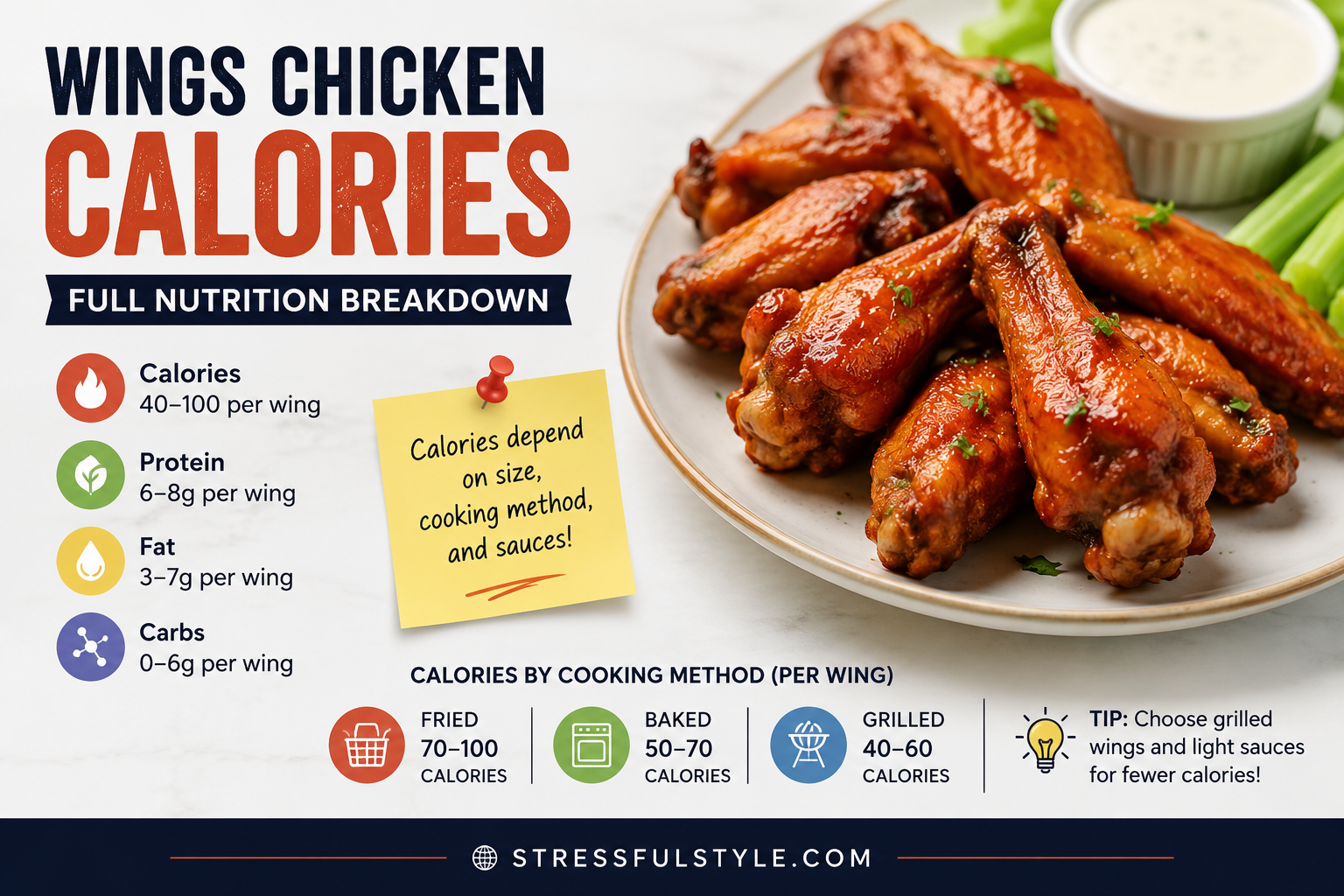
When it comes to chicken wings calories, cooking method plays a pivotal role. Fried wings are often the fan favorite due to their crispy texture and rich flavor. However, this indulgence comes with a caloric price tag—around 100 calories per wing.
In contrast, baked wings offer a healthier alternative without sacrificing taste. A standard baked wing typically contains about 80 calories. The oven’s dry heat helps render excess fat while still delivering that satisfying crunch.
Grilled chicken wings present yet another option for calorie-conscious diners. With direct heat from the grill, these wings can clock in at approximately 70-75 calories each. The grilling process not only reduces fat but also enhances flavor through smokiness.
Choosing between fried, baked, or grilled largely depends on personal preference and dietary goals—but knowing the calorie differences can guide your decision-making process effectively.
Sauce Selection: Nutritional Information
When it comes to chicken wings, sauce selection plays a significant role in the overall nutritional profile. Each sauce brings its own set of calories and ingredients that can elevate or diminish health benefits.
Consider classic choices like buffalo sauce, which packs flavor but also adds extra sodium. A tablespoon usually contains around 30 calories. On the other hand, barbecue sauces vary widely; some are lighter with about 20 calories per serving, while others may soar higher due to added sugars.
For those looking for healthier options, consider tossing wings in a dry rub or using hot sauce made from natural ingredients. These alternatives often have fewer additives and can be lower in calories.
Don’t overlook creamy dips either! Ranch and bleu cheese dressings add rich flavors but can significantly boost calorie counts—upwards of 100 calories per two tablespoons. Always keep an eye on portion sizes to maintain balance without sacrificing taste.
How Sauces Affect Nutritional Value
Sauces can dramatically change the nutritional profile of chicken wings. A simple wing, seasoned lightly, offers a straightforward calorie count. But add a rich sauce, and those numbers can skyrocket.
Buffalo sauce is popular but often packs extra calories from butter or oil. This adds flavor but also fat content. In contrast, a vinegar-based sauce might keep things lighter while still providing zest.
Consider teriyaki or barbecue sauces as well. They tend to be sweeter and may include added sugars that increase overall caloric intake without much nutritional benefit.
When indulging in wings with your favorite dip, remember ranch or bleu cheese dressings come with their own set of calories and fats too. These choices can quickly turn a modest snack into an indulgent meal if you’re not careful about portion sizes.
Ranch and Bleu Cheese: A Nutritional Perspective
Ranch and bleu cheese dressings are popular accompaniments for chicken wings. Each adds a distinct flavor profile but comes with different nutritional impacts.
Ranch dressing typically contains about 73 calories per tablespoon. It’s rich in fats, primarily from mayonnaise or sour cream, contributing to its creamy texture. While it enhances taste, the calorie count can add up quickly when you’re dunking multiple wings.
On the other hand, bleu cheese offers a bolder flavor. A tablespoon packs around 100 calories due to its higher fat content and unique ingredients like crumbled cheese. Though more calorically dense, some might prefer its tangy bite over ranch.
When pairing these sauces with your wings, be mindful of portion sizes. Even small amounts can lead to significant calorie additions if you’re not careful. Balancing sauce choices is crucial for those watching their calorie intake while enjoying this classic dish.
Are Chicken Wings Good for Weight Loss?
Chicken wings can fit into a weight loss plan, but it all depends on how you prepare and enjoy them. When baked or grilled, they retain more nutrients and are lower in calories compared to fried options.
The key lies in portion control. A few well-cooked chicken wings can provide satisfying protein without derailing your dietary goals. Pairing them with fresh veggies or a light salad enhances the nutritional value while keeping calorie counts reasonable.
Sauces play a significant role too. Opt for lighter dressings or homemade dips to avoid excess sugar and fat that can quickly add up.
Consider the overall balance of your meals throughout the day. Enjoying chicken wings occasionally as part of a varied diet is perfectly fine when aiming for weight loss success.
Health Benefits of Chicken Wings
Chicken wings can be a surprising source of health benefits when enjoyed in moderation. They are rich in protein, which is essential for muscle repair and growth. For those who lead an active lifestyle, this makes chicken wings a great choice.
The skin on the wings contains healthy fats that can provide energy and support cell function. These fats, particularly monounsaturated fats, may contribute to heart health when consumed as part of a balanced diet.
Additionally, chicken wings offer important vitamins and minerals like B vitamins and selenium. These nutrients play key roles in metabolism and immune function.
If prepared wisely—opting for baking or grilling instead of frying—you can enjoy their flavor without loading up on unhealthy calories. Coupled with nutrient-rich sauces or sides, they make for a delicious meal option that doesn’t sacrifice taste for nutrition.
Chicken Wings Protein and Calorie Balance
Chicken wings are not only delicious but also a source of protein. Each wing packs a punch with essential nutrients that support muscle growth and repair.
On average, a single chicken wing contains around 6 to 8 grams of protein. This makes them an appealing option for those wanting to boost their intake without feeling overly full.
However, the calorie content can vary significantly based on preparation methods and sauces used. While fried wings may offer more calories due to added oils, grilled or baked options tend to be lighter yet still satisfying.
Balancing your plate is key. Pairing wings with fresh veggies can enhance nutrition while keeping calories in check. Choosing healthier cooking techniques helps maintain that balance between enjoying flavor and managing dietary goals effectively.
The Story Behind Chicken Wing Calories
The story of chicken wing calories is as flavorful as the wings themselves. Originating in Buffalo, New York, these savory morsels were born from a late-night food craving.
In 1964, Teressa Bellissimo decided to fry up leftover chicken parts for her son’s friends. She tossed them in a spicy sauce and served them with celery and blue cheese dressing. This innovative approach skyrocketed the popularity of chicken wings.
As they gained fame, so did discussions about their nutritional value. Each method of preparation brought its own calorie count into play—frying versus baking made all the difference.
Today, you can find an array of sauces that add even more complexity to their caloric content. From classic buffalo to tangy barbecue, each choice alters not just flavor but nutrition too.
Understanding where those calories come from offers insight into how we enjoy this beloved dish without sacrificing our health goals or taste buds.
Final Thoughts on Chicken Wings Calories
When it comes to enjoying chicken wings, understanding the calorie content and nutritional value is essential for making informed choices. With an average of about 43 calories per wing, it’s clear that these tasty morsels can fit into various diets if approached mindfully.
Whether you prefer your wings crispy fried or healthily grilled, each cooking method offers a different impact on overall caloric intake. Remember that sauces play a significant role too; while they enhance flavor, they can also add unexpected calories.
For those watching their weight or seeking healthier options, opting for skinless wings and being mindful of portion sizes can help balance enjoyment with nutrition. Chicken wings are not only delicious but also provide protein that supports muscle maintenance and growth.
The key takeaway? Enjoying chicken wings doesn’t have to be off-limits when you’re focused on your diet goals. Moderation is vital, along with an awareness of how preparation methods affect the final dish’s calorie count.
With this knowledge in hand, you can savor every bite guilt-free while navigating the world of chicken wing calories effectively.
People Also Ask about wings chicken calories
How much calories in a chicken wing?
A single chicken wing usually has about 40 to 100 calories, depending on how it is cooked. If the wing is baked or grilled, it has fewer calories. If it is fried, it has more calories because it absorbs oil during cooking.
How many calories in a chicken wing?
One chicken wing generally contains around 43 to 99 calories. The exact number depends on size, cooking method, and whether the skin is on. Wings with skin and fried in oil have the highest calorie count.
How many calories in chicken wings?
Chicken wings in general can vary a lot in calories. On average, 3 to 4 chicken wings can have 200 to 400 calories. Fried wings with sauce will be higher, while grilled wings are usually lower in calories.
How many calories are in a buffalo chicken wing?
A buffalo chicken wing usually has about 70 to 120 calories per wing. The buffalo sauce adds extra calories because it often contains butter, oil, and sugar. Fried buffalo wings have even more calories.
How many calories is chicken wings?
Chicken wings typically have 40 to 100 calories per piece, depending on cooking style. Fried wings are the highest in calories, while baked or grilled wings are the healthiest lower-calorie option.
1 chicken wing calories with skin
One chicken wing with skin has about 50 to 100 calories. The skin adds extra fat and calories, but it also adds flavor. If you remove the skin, the calorie count becomes lower.
About the Author